
How to Build an Emergency Fund: The Ultimate Financial Safety Net
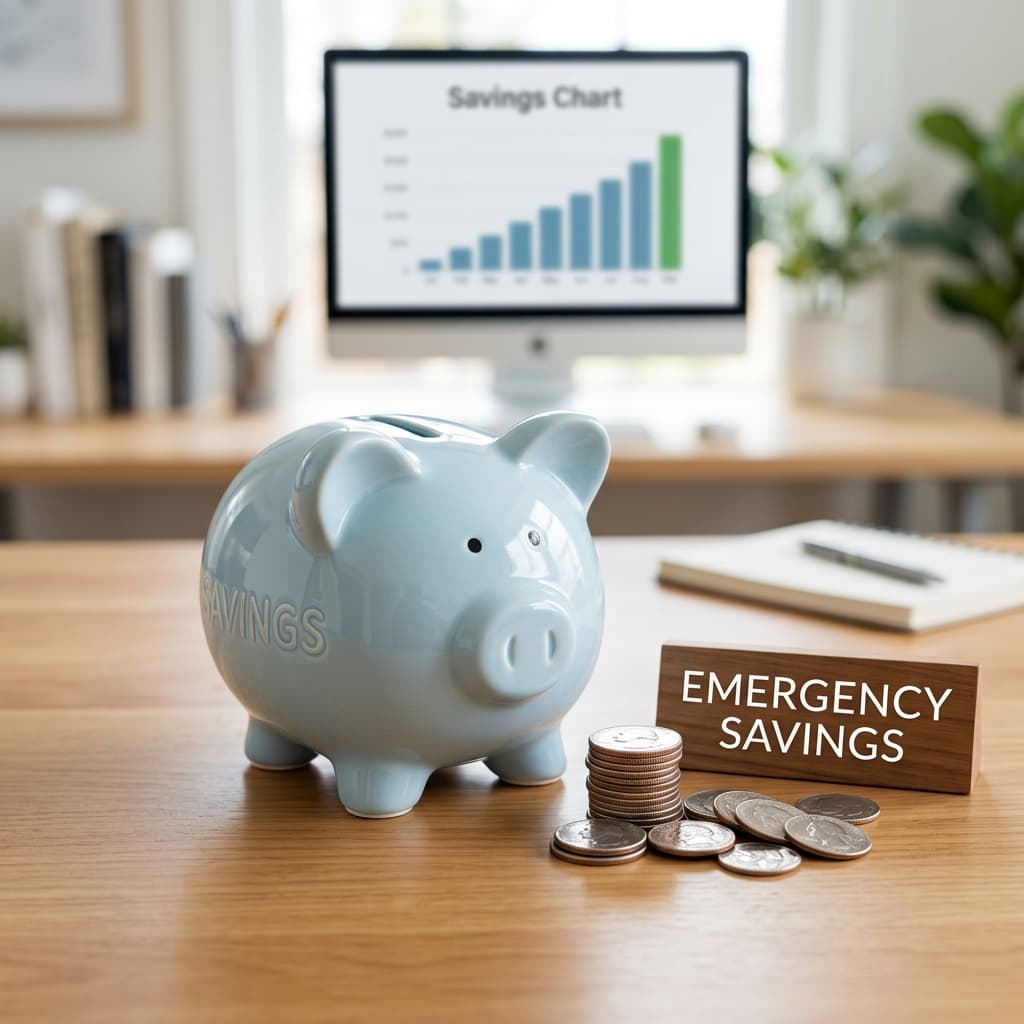
A medical emergency, a sudden layoff, or a broken-down car — life has a habit of throwing unexpected expenses at us. If you don't have a financial buffer, these emergencies usually force you to borrow money, run up credit card debt, or break your long-term investments.
I still remember when my laptop died in the middle of a major freelancing project. I didn't have the cash to buy a new one, so I had to swipe my credit card and pay high interest for months. That was my wake-up call. The very next month, I started building my emergency fund, and the peace of mind it provides is priceless.
An emergency fund is not an investment; it is insurance for your life. Let's look at exactly how much you need, where to keep it, and how to build it step-by-step.
---
Emergency Fund Storage Comparison Table
Choosing where to keep your emergency fund is a balance between safety, liquidity, and returns:
| Option | Safety | Liquidity | Returns (Annual) | Best For |
|---|---|---|---|---|
| Regular Savings Account | Extremely High | Instant (ATM/UPI) | 3% - 4% | Immediate cash (1 month of expenses) |
| High-Yield Savings Account | High | Instant (UPI/Transfer) | 5% - 7% | Medium term emergency funds |
| Sweep-in / Multi-Option FDs | Extremely High | Instant | 6% - 7.5% | The bulk of your emergency fund |
| Liquid Mutual Funds | Moderate-High | 24 - 48 Hours | 6.5% - 7.2% | Wealth preservation / low tax impact |
---
How Much Money Do You Actually Need?
The standard rule of thumb is to save 3 to 6 months of your essential living expenses. Notice the word essential. This doesn't include dining out, entertainment, or subscription services. It includes:
Fixed Costs: Rent or home loan EMI, utilities (electricity, water, internet), and insurance premiums. Variable Essentials: Groceries, medicines, and basic transportation costs. Debt Obligations: Minimum payments on credit cards or personal loans.
When should you save more than 6 months?
You should aim for a 9 to 12-month buffer if: You are a freelancer or have an irregular income. You work in a volatile industry prone to sudden layoffs. You are the sole breadwinner of your family.---
4 Steps to Build Your Emergency Fund
Building this fund can feel overwhelming if you look at the final number. The key is to start small and automate the process.
Step 1: Calculate Your Monthly Survival Number
Go through your bank statements for the last three months. Filter out the luxuries and write down the bare minimum you need to survive each month. Multiply this number by 6. That is your target.Step 2: Open a Separate Bank Account
Do not keep your emergency fund in your primary salary account. If you see the money every day, you will be tempted to spend it. Open a separate account at a different bank, preferably one that offers high interest or a sweep-in FD facility, and do not carry its debit card in your wallet.Step 3: Automate Your Savings
Treat your emergency fund like a monthly bill. Set up an automatic transfer of 10% to 15% of your salary to your emergency account the day after you get paid. If you wait until the end of the month to save what's left, you will save nothing.Step 4: Add Windfalls
Whenever you receive a tax refund, a work bonus, or a cash gift, route at least 50% of it directly into your emergency fund. This will speed up your journey significantly.---
Frequently Asked Questions (FAQs)
#### What constitutes a real financial emergency? A real emergency is an expense that is unexpected, necessary, and urgent. A medical bill, job loss, or essential home repair qualifies. A holiday package discount, a new smartphone launch, or a fashion sale does not qualify as an emergency.
#### Should I pay off debt first or build an emergency fund? If you have high-interest debt (like credit card debt at 36%+ interest), prioritize paying it off first while keeping a small, basic emergency fund of ₹15,000 to ₹20,000. Once the toxic debt is gone, focus fully on building your 6-month buffer.
#### Can I invest my emergency fund in the stock market? No. The stock market is volatile. If the market crashes by 30% and you lose your job at the same time, you will be forced to sell your stocks at a massive loss. Your emergency fund must be kept in safe, liquid instruments where the principal value does not fluctuate.
---